
First, some very positive aspects of ecoponics. It offers numerous advantages that make it an attractive option for sustainable agriculture.
- Environmental friendliness: By avoiding synthetic fertilizers and pesticides, ecoponics reduces environmental pollution and conserves natural resources.
- Resource efficiency: Ecoponic systems use water and nutrients efficiently, resulting in significant reductions in water consumption and better use of resources.
- Healthy food production: The use of organic nutrients leads to healthier plants and therefore higher quality and more nutritious food.
- Promoting biodiversity: By integrating different plant species and promoting ecologically beneficial organisms, ecoponics contributes to the preservation and promotion of biodiversity.
- Sustainability: Ecoponics supports sustainable agricultural practices that contribute to the long-term conservation of natural ecosystems.
- Reducing waste: Using organic waste as a source of nutrients and reusing water minimizes waste.
- Independence from soil: Ecoponic systems can operate independently of soil quality, allowing cultivation in urban areas and on infertile soils.
These advantages make ecoponics a promising method for sustainable and environmentally friendly food production.
However, when implementing ecoponics, various challenges can arise, which can be both technical and ecological in nature.
Here are some of the common problems.
Problems in implementing ecoponics
Nutrient management
- Imbalance: It can be difficult to provide the correct amounts and ratios of organic nutrients because they are more variable than synthetic fertilizers.
- Deficiency symptoms: Organic nutrients must be in forms that are available to plants, which is supported by microbiological processes that do not always occur consistently.
Water quality and management
- Contaminants: Organic nutrients can increase the risk of contaminants in the water system, which can lead to algae growth and blockages.
- Microbial contamination: Improper handling of organic material can lead to the proliferation of undesirable microorganisms that can cause plant diseases.
Pest and disease control
- Biological pest control: The use of natural enemies and biological preparations can be less predictable and more effective than chemical agents.
- Diseases: Organic systems may be more susceptible to certain plant diseases that are difficult to control.
Technical challenges
- System complexity: Ecoponic systems are often more complex than traditional hydroponic systems and require a higher level of knowledge and technical expertise.
- Maintenance: The systems require regular maintenance and monitoring to ensure optimal functioning.
Cost efficiency
- Initial costs: The initial investment to set up an ecoponic system can be high, especially when sustainable and energy-efficient technologies are integrated.
- Running costs: Running costs for maintaining biological systems and obtaining organic nutrients can also be high.
Education and Training
- Expertise: There is a need for specialized knowledge and training to operate the system effectively and solve problems.
- Experience: The lack of widespread experience and best practices can make implementation difficult.
Environmental factors
- Locally adapted solutions: Each region has different climatic and ecological conditions that require tailor-made solutions.
- Availability of resources: The availability of high-quality organic materials may vary regionally and influence implementation.
These challenges require careful planning, continuous monitoring and adjustment of systems as well as good training of operators to ensure successful implementation of ecoponics.
Here are some keywords about ecoponics and its implementation
1. Organic nutrients
- Compost tea
- Worm compost extract
- Plant extracts
- Fermented organic matter
- Compost tea
- Worm compost extract
- Plant extracts
- Fermented organic matter
2. Sustainable resource management
- water recycling
- circular economy
- resource efficiency
- rainwater use
- water recycling
- circular economy
- resource efficiency
- rainwater use
3. Biodiversity and plant health
- Mixed cultures
- Biodiversity promotion
- Companion planting (plant communities)
- Ecological beneficial organisms
- Mixed cultures
- Biodiversity promotion
- Companion planting (plant communities)
- Ecological beneficial organisms
4. Energy efficiency
- Renewable energies (solar, wind)
- Energy-saving lighting (LED)
- Energy management
- Heat recovery systems
- Renewable energies (solar, wind)
- Energy-saving lighting (LED)
- Energy management
- Heat recovery systems
5. Biological pest control
- Promotion of beneficial organisms
- Biological preparations
- Integrated plant protection (IPM)
- Plant extracts against pests
- Promotion of beneficial organisms
- Biological preparations
- Integrated plant protection (IPM)
- Plant extracts against pests
6. System design and construction
- Vertical farming
- Modularity
- Automation and sensors
- Substrate selection (e.g. coconut fibres, peat moss)
- Vertical farming
- Modularity
- Automation and sensors
- Substrate selection (e.g. coconut fibres, peat moss)
7. Sustainable practices
- Permaculture principles
- Zero waste principles
- Circular systems
- Environmental impact assessment
- Permaculture principles
- Zero waste principles
- Circular systems
- Environmental impact assessment
8. Community and Education
- Community Gardens
- Educational Programs
- Research and Development
- Public Relations
- Community Gardens
- Educational Programs
- Research and Development
- Public Relations
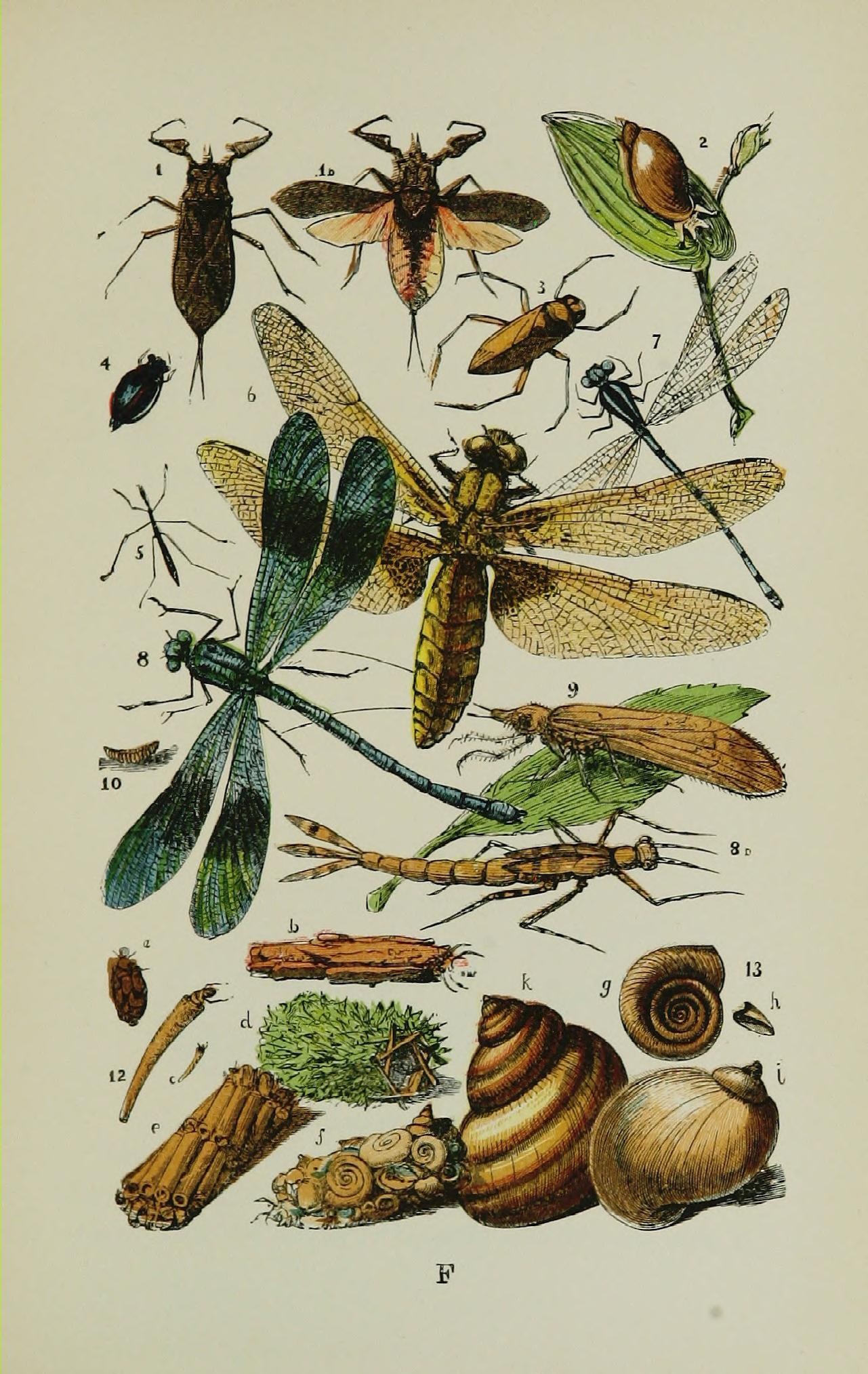
Image: CC, Public Domain, Biodiversity Heritage Library, https://www.flickr.com/photos/biodivlibrary/
Add Comment